
John Z Black
Brunswick, ME • (207) 245-1010 • contact@johnzblack.com
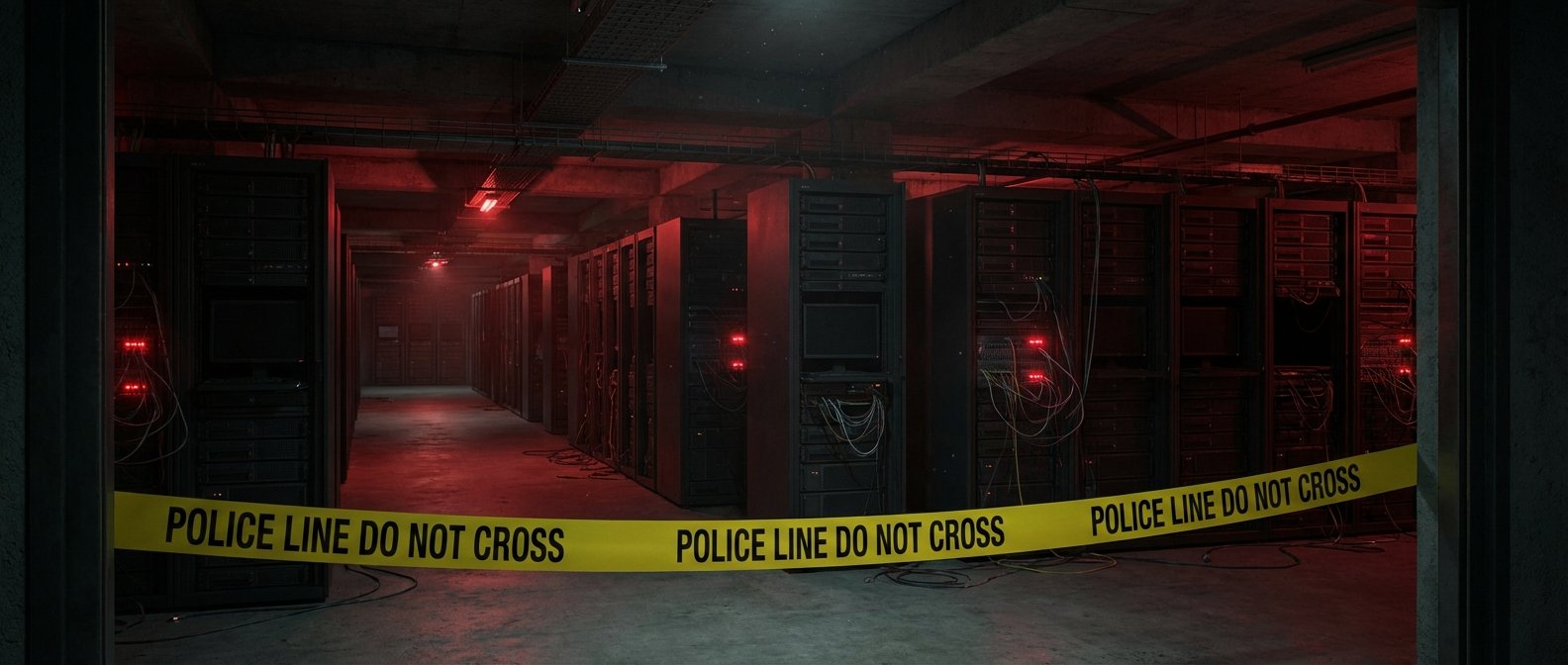
The theory behind infrastructure-focused enforcement is straightforward: don’t just arrest the end users. Attack the infrastructure. Make it expensive to build, unstable to maintain, legally risky to run. Shift the economics enough, and the business model collapses.
Two stories this week show what that looks like in practice.
Operation Alice: 373,000 Sites
International law enforcement shut down 373,000 dark web sites in Operation Alice. That number isn’t a typo. This wasn’t a targeted takedown of a specific criminal platform – it’s enforcement at volume, more like a sustained campaign against a category of abuse than a conventional arrest-based prosecution.
The sites were distributing “fake CSAM” – packages designed to lure, identify, and potentially extort individuals seeking illegal content. Honeypots and malware distribution vectors targeting people already engaged in illegal activity. The legal and policy complexity is real. The enforcement logic is clear: dismantle infrastructure being used to run exploitation at scale.
373,000 sites don’t fall one at a time through individual investigations. This requires bulk infrastructure seizure or coordination with hosting providers and registrars that bypasses case-by-case process. The enforcement posture has changed.
The UniCredit Case as Context
Separately, European prosecutors indicted three people connected to the breach of Italian bank UniCredit, which exposed data from 778,000 customers. Criminal indictments for banking sector breaches are relatively rare in Europe. The fact that investigators identified and charged individuals reflects improving capability in financial sector cybercrime across European jurisdictions.
Both cases together – infrastructure-scale action in Operation Alice, individual prosecution in UniCredit – show law enforcement operating at multiple levels simultaneously. They’re not mutually exclusive strategies.
What Sustained Pressure Actually Accomplishes
Yes, dark web infrastructure reconstitutes. Criminal networks adapt. That’s the honest counter-argument to infrastructure-focused enforcement.
But every seizure resets the operator’s sunk costs. Criminal infrastructure that has to move constantly, use anonymizing networks, and maintain operational security is more expensive to run than infrastructure that can sit static and collect money. Raising the cost enough does eventually cause some business models to fail – and pushes others out of reach for lower-sophistication actors.
Neither outcome is a complete win. Both represent meaningful improvement.