
John Z Black
Brunswick, ME • (207) 245-1010 • contact@johnzblack.com
7,413.
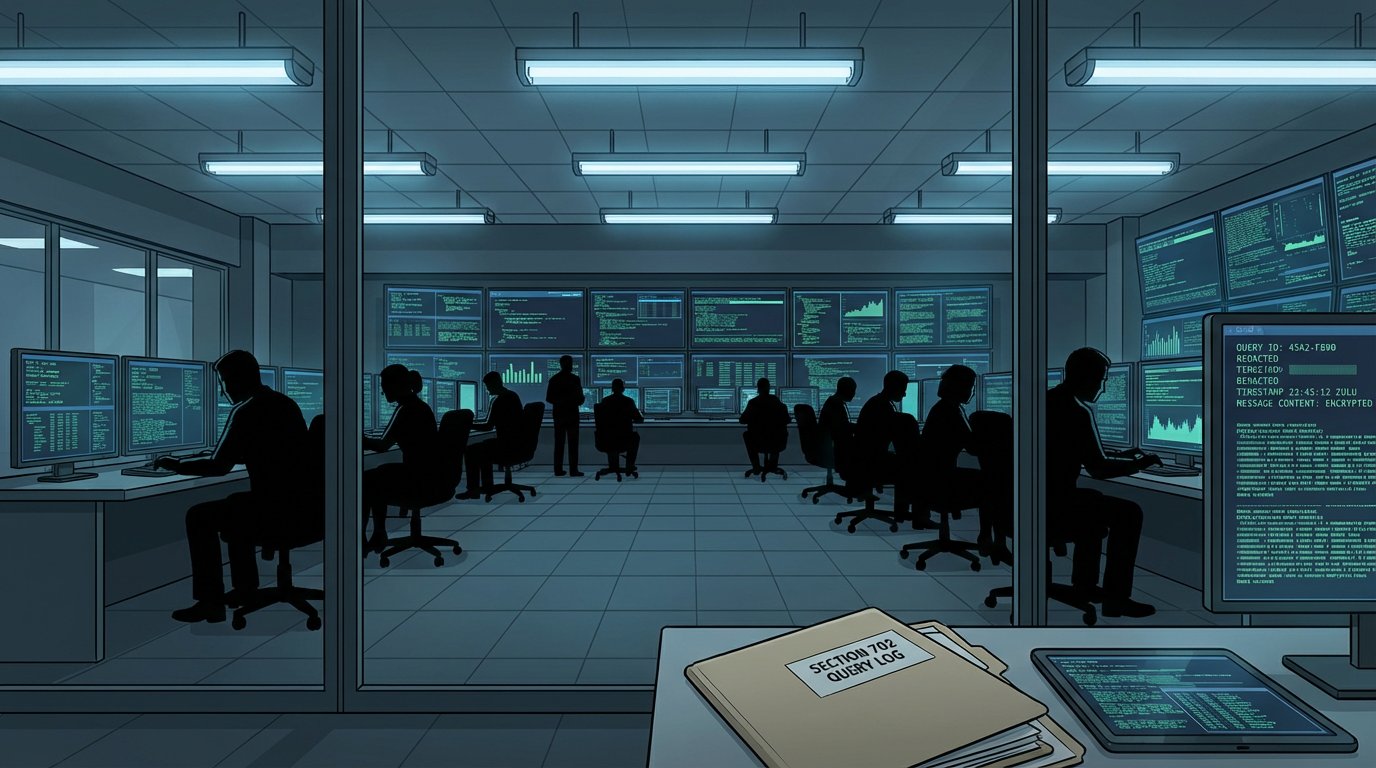
That’s how many times the FBI searched Americans’ private communications without a warrant last year. The year before? 5,518. That’s a 34% jump, during the exact same period Congress was debating whether to rein in the practice.
And this week, a bipartisan bill landed that would require a warrant for those searches going forward. Whether it actually passes is the million-dollar question.
Here’s how this works. Section 702 of FISA lets the NSA collect communications from foreign targets overseas. Legal. Makes sense. But when a foreign target talks to an American, that American’s messages, emails, and calls get swept up too. “Incidental” collection, they call it. At NSA scale, “incidental” still means an enormous database full of Americans’ private communications.
The FBI can then search that database for specific Americans. By name, email address, phone number. No warrant. No judge. No probable cause. Just search.
That’s what happened 7,413 times last year.
The new bipartisan bill would change the rules. FBI wants to query 702 data for an American’s communications? Get a warrant first. It’s the reform civil liberties groups have been pushing for through multiple reauthorization cycles, and it’s finally got sponsors on both sides of the aisle.
The bill also includes a provision that connects directly to the CBP phone tracking story: it would ban federal agencies from buying commercial data broker datasets on US residents. That’s the exact mechanism CBP used to track Americans’ phones without warrants. Just buy what you can’t legally compel. The bill would slam that door shut.
Bipartisan sponsorship matters. But bipartisan introduction and bipartisan passage are very different things. Intelligence committees have historically killed 702 reform because the surveillance capability is genuinely useful and restricting it has real costs. Whether reform survives that opposition this time around is anyone’s guess.
Each of those 7,413 queries represents a search through an American’s private communications. Emails, messages, calls that got caught up in foreign surveillance collection. In most cases, that person will never know it happened. No notification. No adversarial process. No judge reviewing the decision beforehand.
Some of those searches are probably entirely justified. An American in contact with a foreign terrorism suspect, for instance. The authority exists for real reasons.
But a 34% increase in a single year, while Congress is actively debating limits, suggests the practice is expanding faster than the oversight can keep up. Right now the system generates a count after the fact. It doesn’t require justification before the search.
The bill wouldn’t kill 702 collection. It would add the most basic constitutional check: get a warrant before you search for an American. Watch this one over the next few months.