
John Z Black
Brunswick, ME • (207) 245-1010 • contact@johnzblack.com
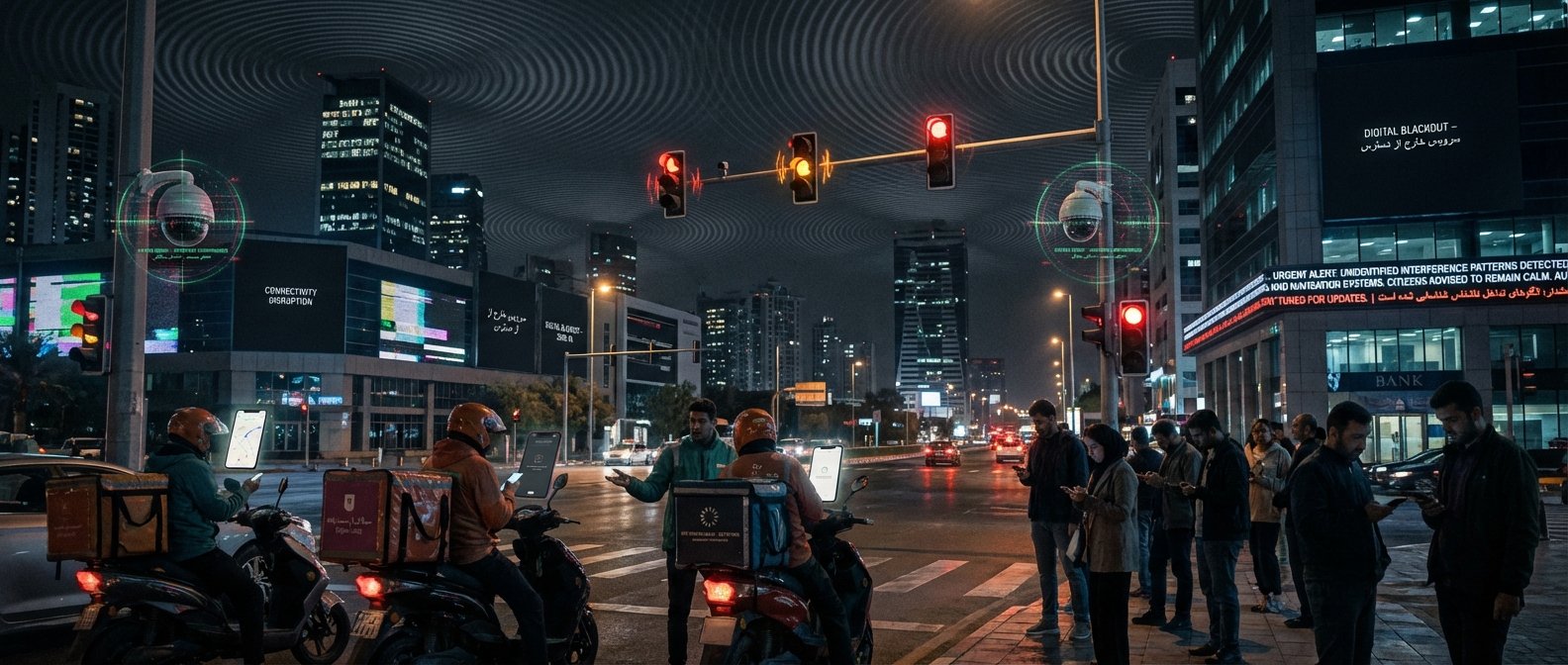
The missile strikes get the headlines. But there’s a whole parallel war happening in the digital layer that most outlets aren’t covering, and it has real consequences for real civilians right now.
Four stories from this week. Four different attack surfaces.
Hijacked Security Cameras
Check Point Research found hundreds of attempted hijacks of consumer security cameras in countries Iran subsequently hit with missiles. Not a coincidence.
Nation-state actors targeting IP cameras in specific areas, followed by kinetic strikes in those same areas, means camera feeds are being used for pre-strike tactical surveillance. Your parking lot Hikvision running on default credentials isn’t just a privacy problem anymore. It’s potential military intelligence.
Ukraine established this template first. Both sides went after cameras in areas of tactical interest. Iran’s running the same play.
Change your default passwords. Segment your cameras onto an isolated network. Update firmware. Old advice, new urgency.
GPS Spoofing
GPS spoofing isn’t a cyberattack. It’s electronic warfare. Instead of blocking GPS signals, it transmits fake ones that convince your device it’s somewhere it’s not.
Near Iran, delivery apps are routing incorrectly. Navigation is giving bad directions. Commercial aviation is getting anomalous position readings. None of these are military targets. They’re civilian systems that rely on GPS and can’t tell real signals from fake ones.
The aviation angle is the scary part. Commercial aircraft use GPS extensively, and systematic spoofing in a conflict zone creates navigational uncertainty for every flight in or near that airspace.
GPS is shared infrastructure. There’s no clean line between “military GPS” and “the GPS in your phone.” Civilians get caught in the noise.
87 Million People Offline
Iran has about 87 million people. Roughly 99% of them are cut off from the global internet right now.
It’s a combination of government-ordered shutdown and physical infrastructure damage from airstrikes. The government flipped the kill switch to control information flow, then strikes degraded whatever routes were still working.
This isn’t just “no social media.” Banking is disrupted. Families can’t reach each other. Medical coordination, emergency services, relief organizations, all affected. Independent journalism inside Iran is effectively silenced.
Iran has done this before during protests. This is the most complete version yet.
AI Disinfo Everywhere
AI-generated content about the conflict is flooding X and other platforms. Fabricated events, fake images, bogus casualty claims, made-up military actions.
Conflict zones have always produced propaganda. What’s different is the scale and speed. AI image tools crank out realistic war imagery faster than anyone can fact-check it. AI text tools generate coherent narratives in multiple languages. The content hits social media before any verification process can catch up.
The practical advice is uncomfortable because there’s no clean rule. Even savvy media consumers are getting fooled. Treat unverified images from conflict zones with serious skepticism. Look for corroboration from established outlets with people on the ground. And be especially suspicious of emotionally compelling content that confirms what you already believe. That’s exactly how disinfo works.
What Connects All of This
Camera surveillance. GPS disruption. Internet blackout. AI propaganda. Four different vectors, one common thread: all of them treat civilian infrastructure as contested terrain.
Your security cameras become intelligence assets. GPS reliability vanishes for everyone near the conflict. The internet shutdown is a humanitarian crisis for 87 million ordinary people. And AI disinfo degrades the information environment globally, not just locally.
If you’re a security practitioner assessing spillover exposure, think about each of these specifically: IoT device exposure, GPS dependencies, operational continuity if regional internet routes degrade, and the challenge of operating when disinfo is a weapon.
The invisible battlefield is real.