
John Z Black
Brunswick, ME • (207) 245-1010 • contact@johnzblack.com
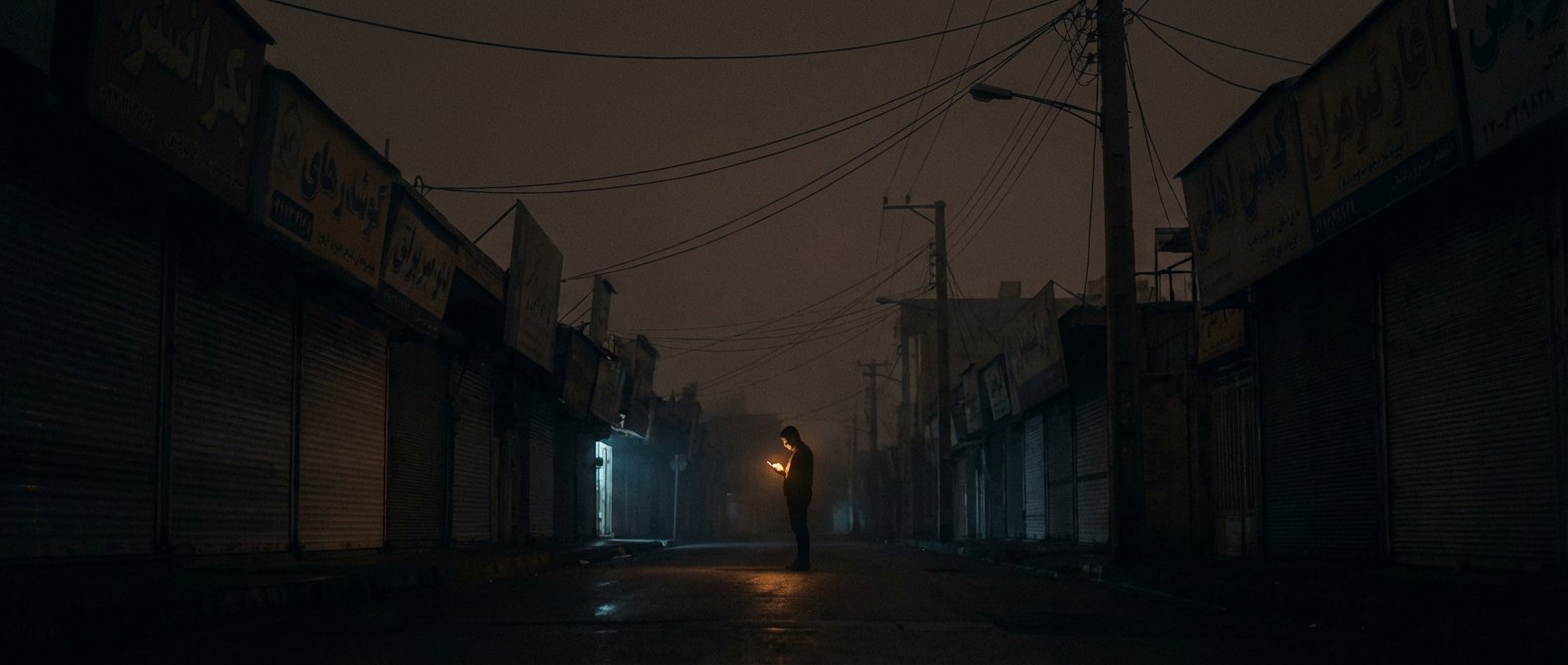
Iran’s internet blackout crossed 1,055 hours this week. Second-longest national shutdown on record, per NetBlocks. Ninety million people at 1-4% of normal connectivity for 44-plus days. The economic losses are well into the billions.
Here’s the part that makes this more than a censorship story.
NetBlocks Director Alp Toker: “Most of those who have retained access aren’t the contraband users, or even the rich and famous, but rather the communications experts and state-aligned media who have been selected to deliver on-message framing to the outside world.”
Iranian intelligence services, including Charming Kitten, Handala, Seedworm, and Homeland Justice, continued active cyber operations throughout the entire blackout. They route through foreign-hosted infrastructure. The domestic cutoff doesn’t touch them. The regime’s offensive capability aimed at Israel, the US, and Europe: completely unaffected. The pediatrician checking a drug interaction: 1-4%.
They also specifically targeted Session Messenger via DNS spoofing on the national backbone. This wasn’t a broad shutdown with incidental collateral damage on secure messaging. That was deliberate.
This isn’t a state failing to provide a service. It’s a state using connectivity as an asymmetric weapon. The blackout is a scalpel, not a sledgehammer. And encryption protects the content of communications. It doesn’t protect access to the network itself. That’s the lesson authoritarian states have been absorbing for years.