
John Z Black
Brunswick, ME • (207) 245-1010 • contact@johnzblack.com
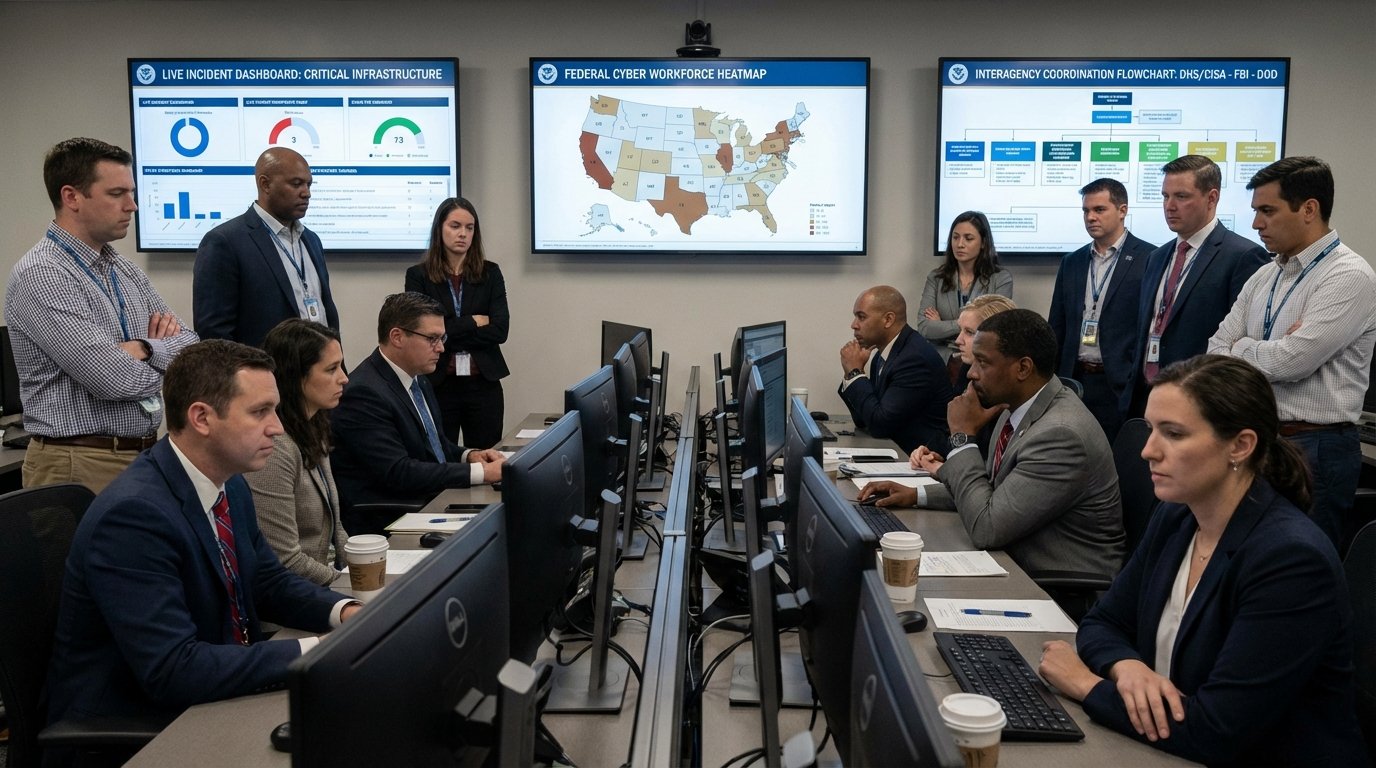
“Are we safe?” is the wrong question. It collapses too much into a yes or no.
Right now, U.S. federal cyber signals point to a three-way mismatch: staffing levels, coordination clarity, and the confidence being projected in public statements. Any one of those can look fine in isolation. Together, they raise real execution risk when something goes wrong fast.
Capacity problems don’t fail loudly. They show up as slower handoffs and thinner surge support. Flexible coordination sounds great in theory, but during a live incident, vague lead-agency roles burn hours you don’t get back. And public statements saying there’s no threat uptick may be accurate in the moment, but they’re snapshots, not guarantees.
None of this is a hidden crisis. It’s just a reason why critical infrastructure operators shouldn’t assume federal alignment automatically translates to local readiness.