
John Z Black
Brunswick, ME • (207) 245-1010 • contact@johnzblack.com
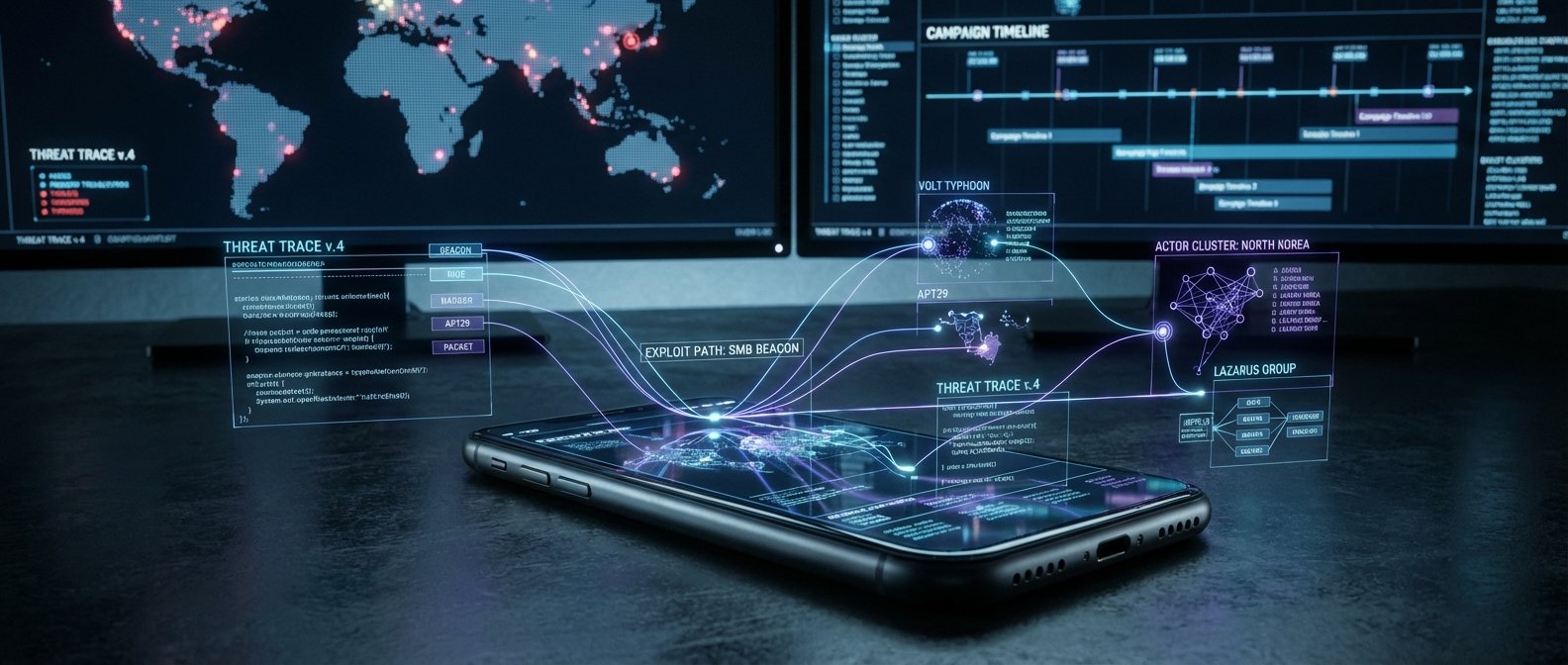
For a long time, the reassuring story about iPhone exploitation was that it was rare and boutique. Advanced capabilities, single nation-state operators, specific high-value targets. Not your problem unless you were a diplomat or dissident.
That story is getting harder to tell.
New reporting from Google’s Threat Intelligence Group describes DarkSword-related iOS exploit chains being used by multiple actor sets – state-linked groups, commercial spyware-adjacent operators, and campaigns tied to infostealer activity. When the same class of capability starts showing up across that range of actors, it stops looking like elite targeting and starts looking like a market.
For enterprises, the practical implication is that mobile threat modeling needs to stop treating compromise as exceptional. Repeated attempts over time, mixed actor incentives, crossover between espionage and criminal tooling – that’s the new baseline assumption for high-risk users.
Patch Apple’s WebKit fixes fast. But update cadence is only one control. High-risk users need stricter browsing profiles, better mobile telemetry, and incident-class response when indicators point to targeted exploitation.
Mobile defense can’t stay in best-effort mode much longer.
Read the full analysis on what the DarkSword reports mean for enterprise mobile security programs