
John Z Black
Brunswick, ME • (207) 245-1010 • contact@johnzblack.com
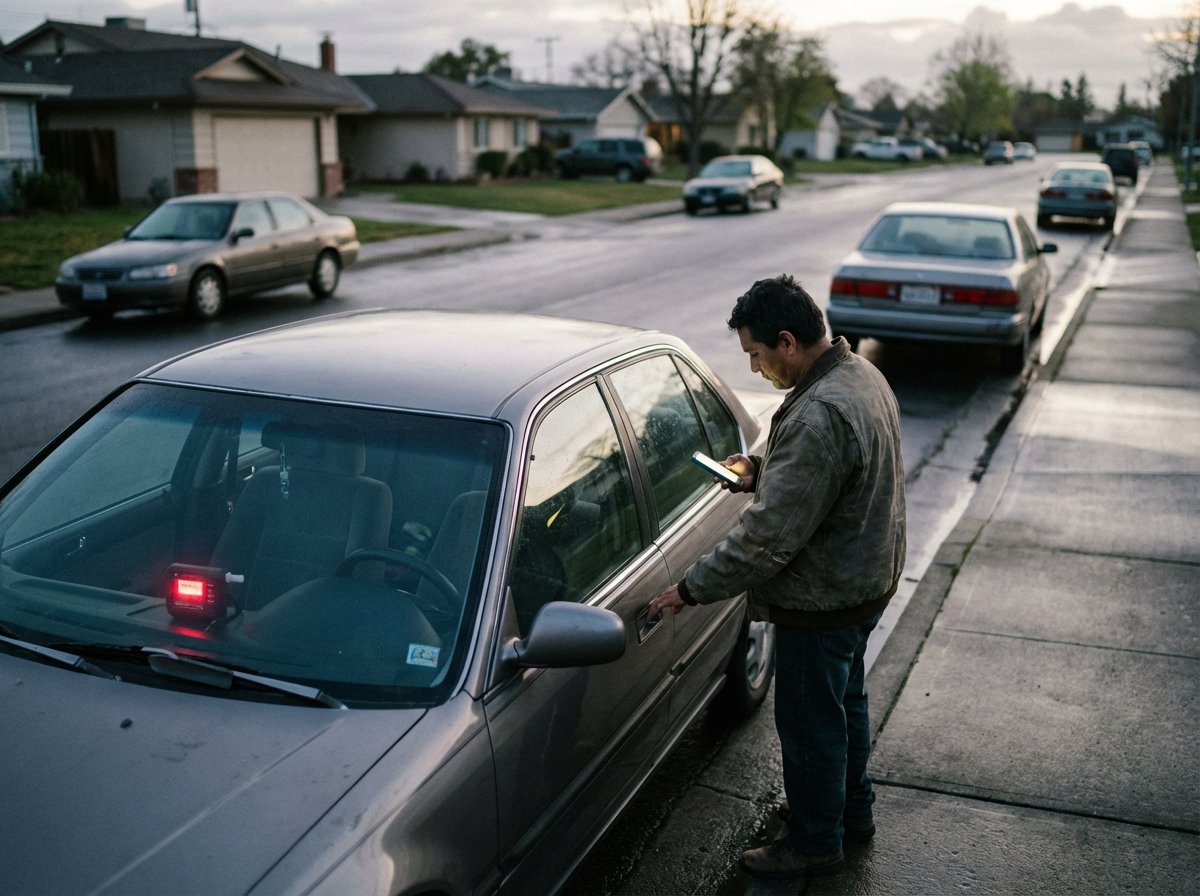
You sit in your car, blow into the breathalyzer mounted on the dashboard, wait for the green light. Nothing. The device is dead, disconnected from whatever remote system it needs to talk to. You’re sober. You’re not in violation of anything. But you can’t leave.
That’s what thousands of drivers faced when a cyberattack took down the verification system of a major ignition interlock company. The company’s name hasn’t been publicly disclosed, which itself tells you something about how these incidents get managed.
Ignition interlock devices are court-ordered. You don’t opt in. A judge requires one after a DUI conviction, and missed readings or device errors don’t just mean inconvenience. They can trigger a call to your probation officer. A hearing. Legal consequences for someone who was doing everything right.
A hacker taking down a tech company’s backend didn’t just disrupt a business. It put people’s legal standing at risk. That distinction barely registers in breach notification letters.
This is a whole category of technology that doesn’t get enough security scrutiny: compliance tech. Systems that exist to satisfy a court order or regulatory mandate. Monitoring bracelets, interlock devices, drug testing portals. You can’t switch providers when the app goes down. The requirement doesn’t pause during an outage. These systems are as consequential as hospital networks in terms of real-world harm, and they attract a fraction of the security attention.
A lot about this incident is still murky. Whether a ransom demand was made, whether sensitive data including court supervision records was accessed, whether anyone actually faced legal consequences because their device failed during the attack. That last question matters most and will almost certainly get the least coverage. It’ll be a quiet administrative hearing somewhere, a person explaining to a judge that it wasn’t their fault, hoping to be believed.
Cyberattacks generate a specific kind of press: company hit, data stolen, CEO apologizes. The people sitting in parking lots, late for work, calling probation officers? Not part of that story.
They should be.