
John Z Black
Brunswick, ME • (207) 245-1010 • contact@johnzblack.com
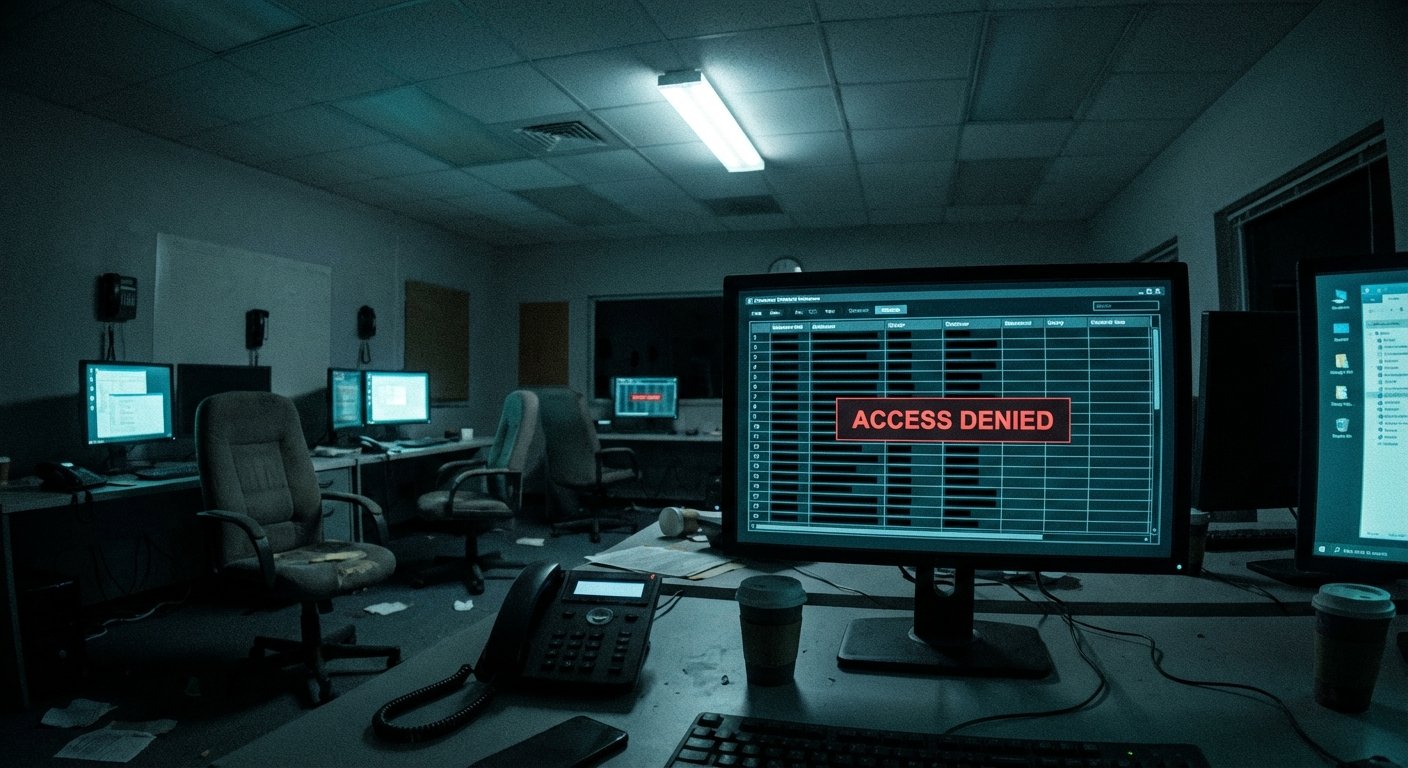
Somewhere out there is a person who called a Crime Stoppers line. Gave a tip. Was told their identity would never be exposed.
That promise is now broken.
A group calling itself the “Internet Yiff Machine” claims to have breached P3 Global Intel, the company behind anonymous tip management for law enforcement agencies across the US, Canada, and beyond. They say they walked out with 93 gigabytes of data, including roughly 8 million tips submitted by people who thought they were protected.
P3’s own website still says it plainly: “your anonymity is protected at all times.”
What’s in the Data
Think about who uses these tip lines. Witnesses to gang violence in neighborhoods where talking to cops is already dangerous. Domestic abuse survivors reporting abusers who might retaliate. People who saw something and, despite their fear, said something.
If the attackers have what they claim, those people’s identities, contact details, the specific crimes they reported, and who they reported on, could all be sitting in that 93GB archive. The data hasn’t been dumped publicly yet. That’s the one thin silver lining. But these things usually don’t stay private forever.
Navigate360 Has Said Almost Nothing
P3’s parent company, Navigate360, confirmed only that they hired a forensics firm. That’s not a denial. It’s the kind of careful non-answer companies give when their lawyers are in the room.
Ten days passed between the first reports and this writing. The agencies that use P3, the ones that told tipsters their information was safe, have received no formal notification from Navigate360. If the vendor won’t tell them what happened, they can’t even warn their communities.
Navigate360 needs to answer real questions, not issue PR non-answers. Which agencies are affected? What data was stored? Were tipster identities actually anonymized at the data level, or just promised to be?
Those questions have consequences for real people. The four-word promise P3’s business runs on just got a lot harder to keep.