
John Z Black
Brunswick, ME • (207) 245-1010 • contact@johnzblack.com
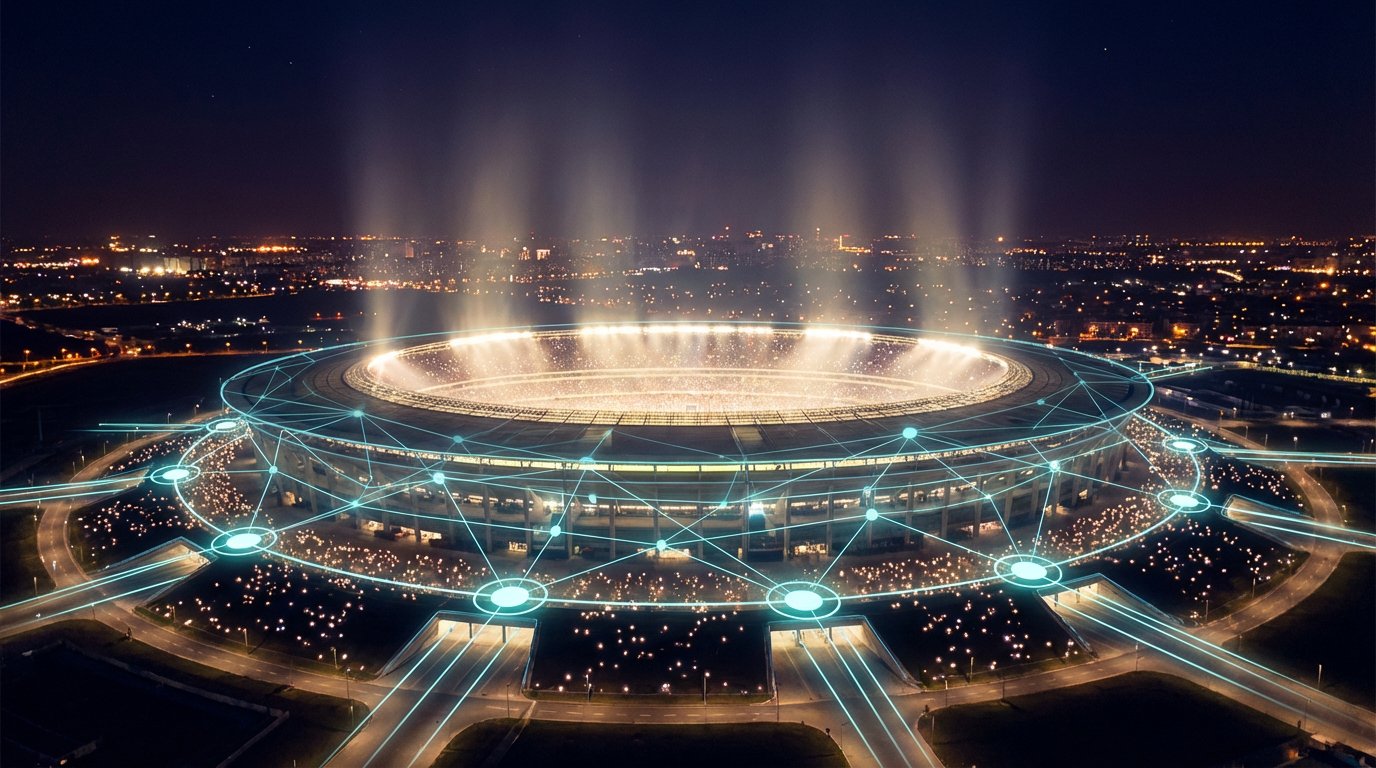
The standard World Cup 2026 cybersecurity story has been some version of “this is going to be a major target.” Sure. Major international events always are. That’s not a story.
Here’s what actually is.
CISA has completed physical and cybersecurity assessments at nearly every stadium and team base camp across the three host countries. A White House task force, coordinating FBI, U.S. Army, DHS, state cyber units, and local law enforcement, is operational. CISA has logged over 1,000 World Cup-specific engagements and exercises since early 2025. And a few months ago, the Milan Winter Olympics handed the whole framework a live test run.
The Milan-Cortina games were hit by actors linked to NoName057(16), the Russia-aligned hacktivist group. Italian critical infrastructure saw a 180% spike in DDoS volume during the event window. CISA and the State Department’s Diplomatic Security Service provided real-time threat intelligence to Italian security partners during the games. The operation held. That intelligence-sharing model is now being scaled for World Cup.
That matters for a few reasons. It shows the threat is real and not hypothetical. It shows the current U.S. coordination framework can run under live-attack conditions. And it gives threat teams a specific baseline: Russia-aligned actors have demonstrated both intent and capability against major international sports events. That doesn’t go away for a FIFA tournament.
The attack surface is wide. Ticketing systems, broadcast infrastructure, sponsor and vendor networks, stadium operational technology, transit systems connecting venues. The tournament doesn’t control all of it. And the threat actor range spans hacktivists looking for visibility, state-sponsored actors pursuing disruption or intelligence collection, and criminal groups seeing millions of visitors using payment systems as an opportunity. These aren’t competing concerns. They can all run at once.
If your organization is a sponsor, vendor, broadcaster, or contractor with any tournament-related access between June and July 2026, you’re inside the security perimeter whether you’ve been thinking about it that way or not.
The real measure comes in June and July. History suggests threat actors will try. History also suggests “tried and failed” counts as a win for defenders, even when it never makes the news.