
John Z Black
Brunswick, ME • (207) 245-1010 • contact@johnzblack.com
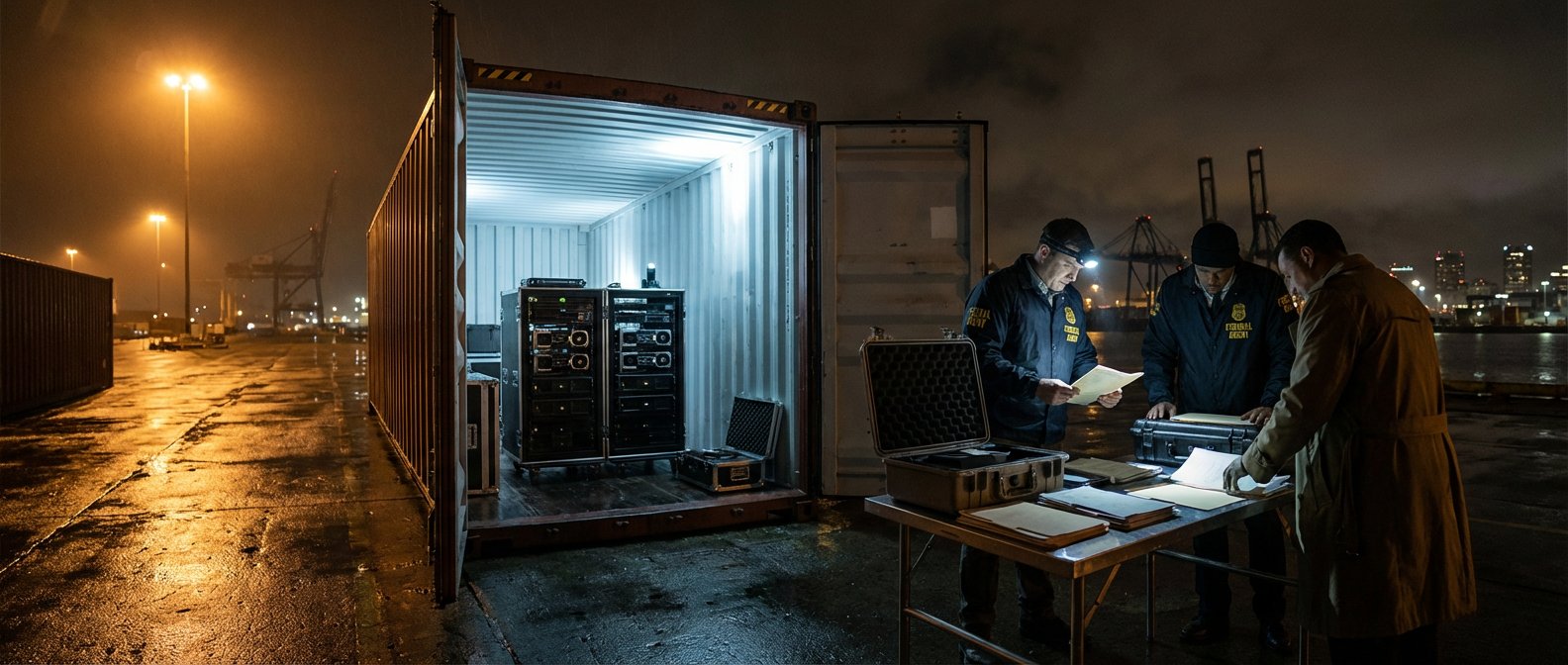
The US has spent years tightening restrictions on NVIDIA’s high-performance GPUs to slow China’s access to the compute behind frontier AI models. This week, federal prosecutors charged three men with physically smuggling that hardware to China anyway.
Not a hack. Not a digital theft. Physical servers assembled in the US, routed through a chain of transactions designed to hide where they were actually going.
Why This Hardware Matters
Modern large AI models need enormous parallel compute during training. High-end GPU clusters have no commercial equivalent at the required performance level. The US maintains advantage in AI development partly because US researchers have access to this hardware at scale – and Chinese competitors have faced real friction acquiring it.
If smuggling networks can defeat those restrictions, the policy objective fails regardless of how tight the regulatory language is. The national security frame is specific: advanced AI capability has direct military applications. The government’s position is that helping China acquire this compute isn’t a neutral commercial transaction.
Criminal Charges Change the Math
Export control enforcement has historically lived in civil/administrative territory – fines, export privilege revocation, compliance settlements. The decision to pursue criminal charges here is a statement. Federal criminal charges carry significant sentences, create criminal records, and change the personal risk calculus for anyone else considering similar schemes.
The practical message: the Justice Department has developed the investigative capability to identify hardware diversion and the prosecutorial will to treat it as a serious crime. That combination is relatively new.
Who Should Pay Attention
For companies in the legitimate AI hardware supply chain – manufacturers, distributors, resellers – this case is a prompt to review end-use verification practices. The legal obligation to verify where your products actually go is real. Criminal liability can attach to willful blindness. “We’re just a distributor” is not the defense it used to be.
The era of treating AI export controls as paperwork is ending.