
John Z Black
Brunswick, ME • (207) 245-1010 • contact@johnzblack.com
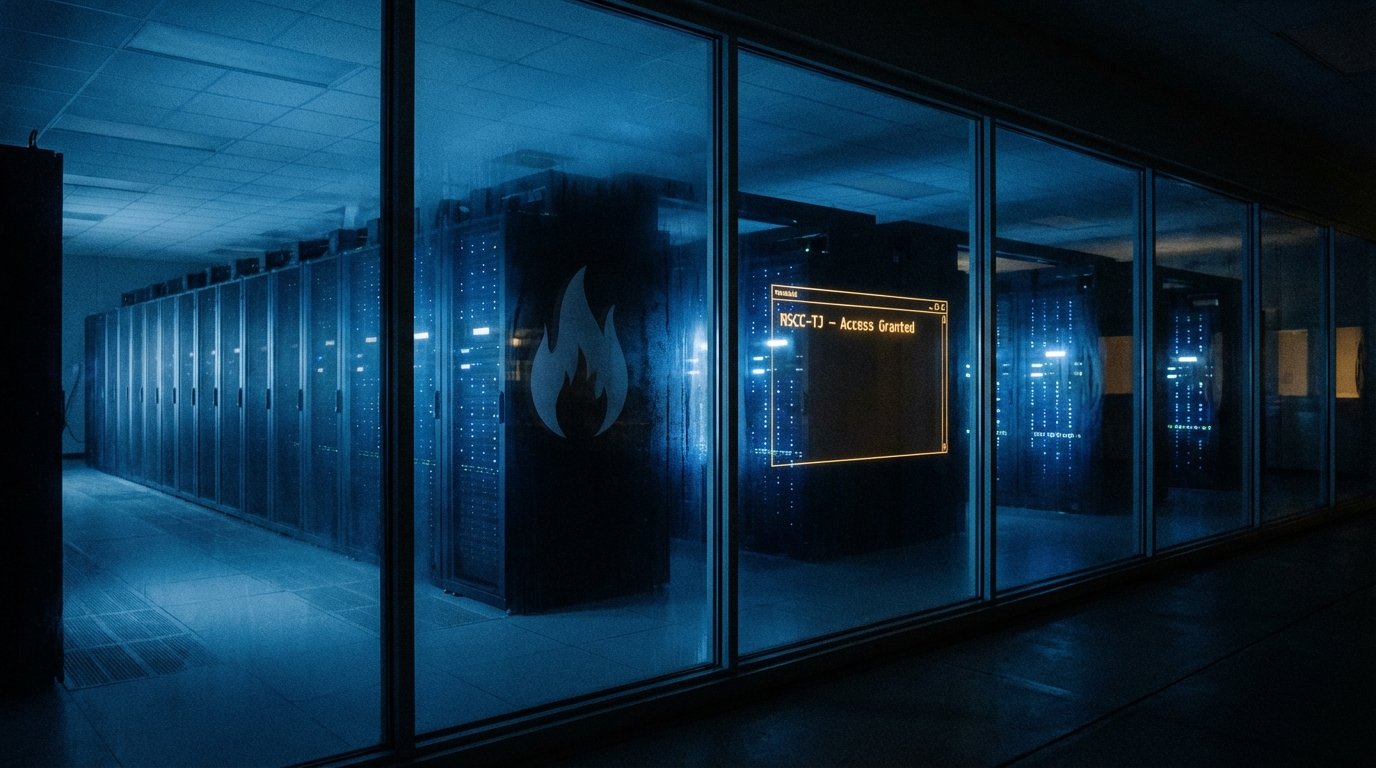
A hacker using the alias FlamingChina has been claiming since late March to have stolen more than 10 petabytes from China’s National Supercomputing Center in Tianjin. Claimed contents: missile schematics, weapons testing data, aerospace research, fusion simulation files. The data is for sale.
That kind of claim surfaces regularly and usually goes nowhere. What changed on April 8 is that CNN got samples in front of named cybersecurity experts and asked them what they thought. They didn’t dismiss it. Not confirmed. Not authenticated. Just: this looks like it could be real.
That assessment is the news peg.
NSCC Tianjin serves roughly 6,000 research clients, including universities, defense labs, and state-affiliated enterprises. It’s shared infrastructure. If the access is real, this isn’t one program’s data. It’s a wholesale capture across dozens of client organizations. That’s what makes 10 petabytes plausible.
Attribution is genuinely unclear. The “for sale” posture suggests financial motivation, but that’s not a reliable signal. Nation-states sometimes sell data as cover. The actual intelligence value may be the point.
The honest position is to watch this carefully without treating it as established fact. Independent verification from government sources would substantially change the picture. Until that exists, this remains a significant unverified event. Significant enough that walking away from it isn’t the right call.
Why this claim is getting taken seriously, and what it would mean if the data is genuine