
John Z Black
Brunswick, ME • (207) 245-1010 • contact@johnzblack.com
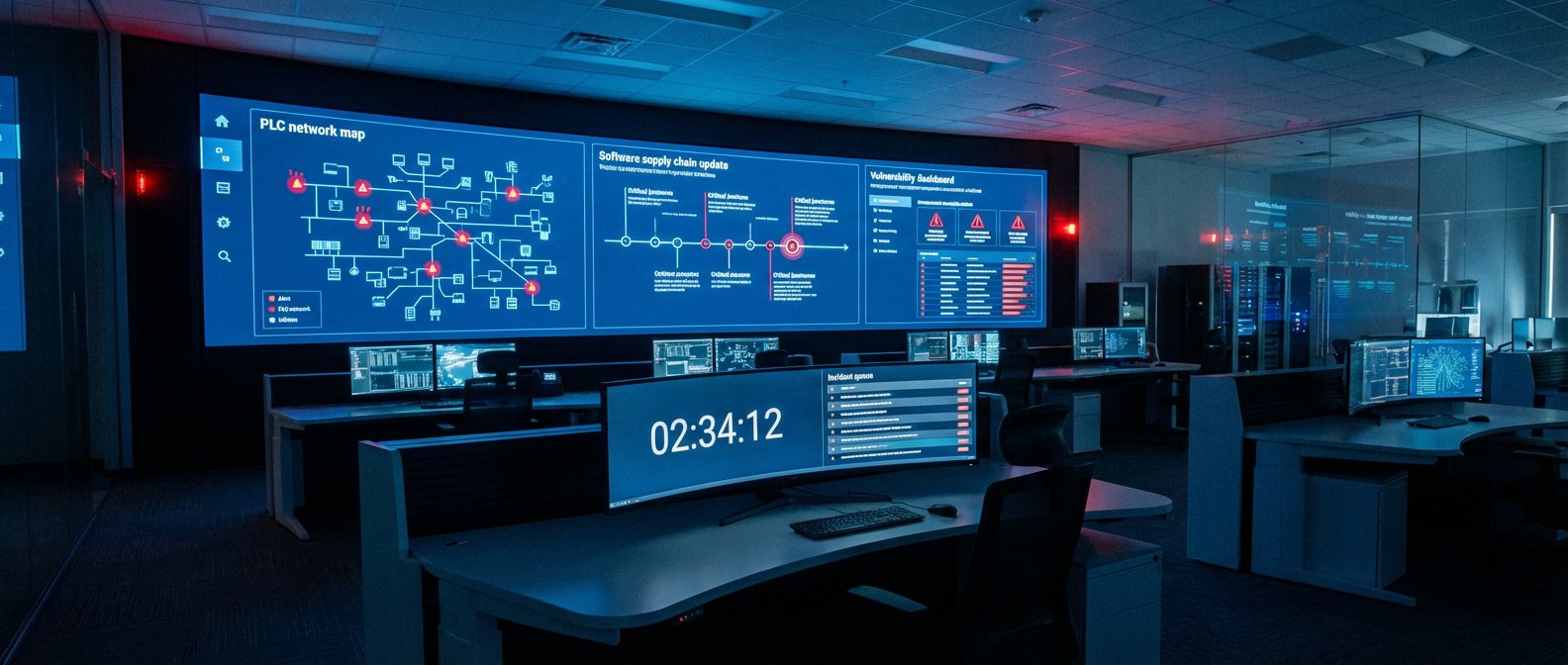
If last week had a single story, it was this: defenders are running out of runway.
The biggest signals all pointed in the same direction. AI-assisted auditing is moving faster than old vulnerability workflows. OT systems are still getting hit in ways that can cause real-world disruption. Update channels people trust can turn into full incident-response events overnight.
Project Glasswing is part of that shift. Anthropic is scaling controlled defensive access instead of throwing advanced capability into the open. That is not a marketing detail. It is a sign that the model capability curve is now a practical security issue.
ActiveMQ made the same point from another angle. A long-lived bug got surfaced fast, with technical details now out in public. Once that happens, the clock starts for everybody.
The Iran PLC advisory reinforced the operational side. This is not theory work. Agencies reported active exploitation, disruptions, and financial loss. If exposed OT is still reachable, it is still targetable.
Smart Slider was the gut punch for teams that rely on trusted updates. The right response was never just patch and move on. It was rollback, credential rotation, and incident cleanup.
The LAPD records exposure and the Ivanti pattern told the same uncomfortable truth in different ways. Third-party tooling risk is still underestimated, and patching at scale still lags attacker timelines.
The missed story matters too. CVE-2026-33784 in Juniper Support Insights vLWC is exactly the kind of issue that disappears in a busy week and then turns into a bigger problem later.
The practical takeaway is simple. Build for speed, not perfect certainty. Discovery, triage, containment, and verification all have to happen faster than they used to.
Read the full breakdown with all context and examples: Where the clock really ran out this week