
John Z Black
Brunswick, ME • (207) 245-1010 • contact@johnzblack.com

Your Antivirus Is Harvesting Passwords Now: BlueHammer Hits CISA KEV
The BlueHammer flaw has moved from a research curiosity to an active threat. This Windows Defender zero-day turns your security software into a password harvester by exploiting a race condition to steal credentials. CISA says patch now.
Read More
The Storm Infostealer Doesn't Decrypt Your Passwords Locally. It Takes Them Home First.
Storm ships encrypted credentials to attacker servers for decryption, bypassing every endpoint detection built to catch local credential theft.
Read More
Hackers Built a SaaS-Style Dashboard to Loot Next.js Apps at Scale
UAT-10608 built an automated framework that exploits a CVSS 10.0 React flaw to compromise Next.js apps, harvest credentials, and display the loot in a searchable dashboard.
Read More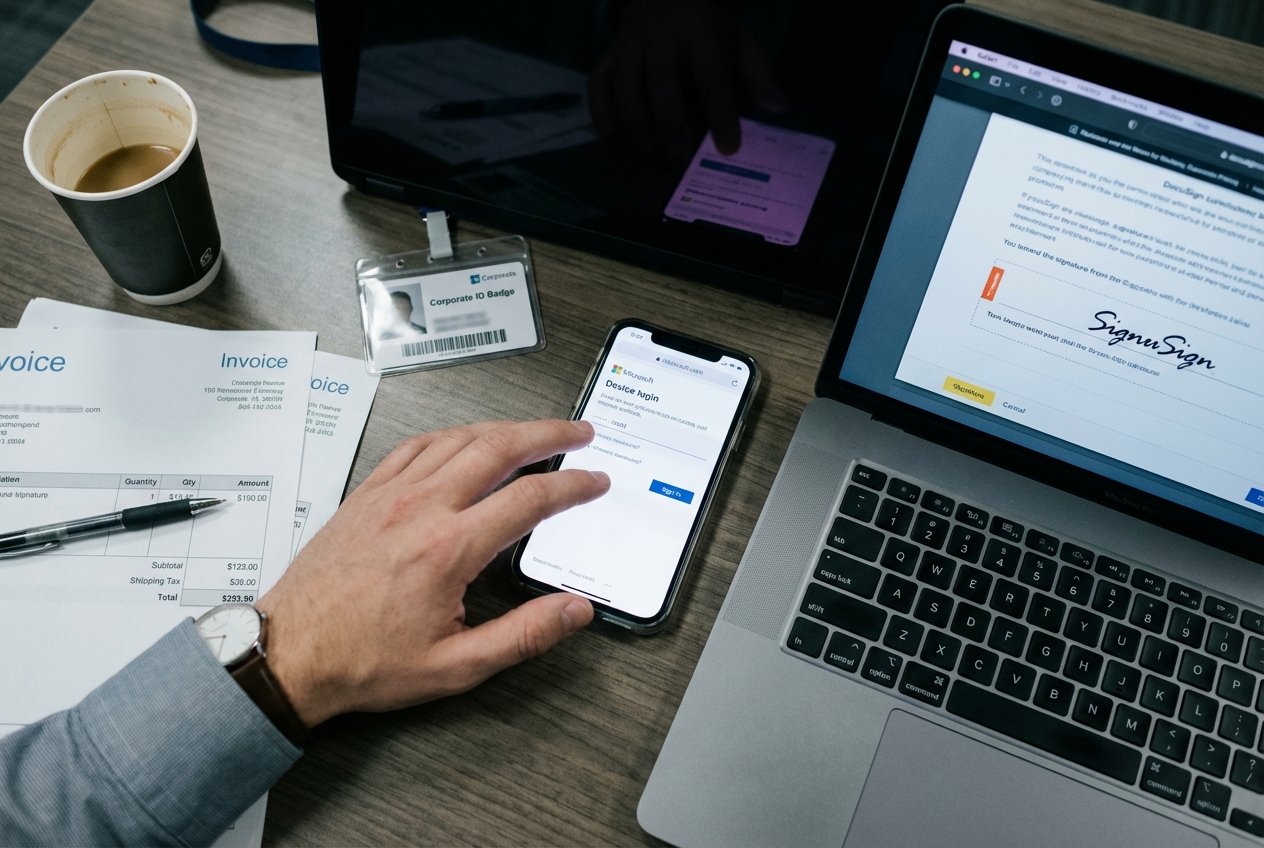
Microsoft's Device Code Auth Is Now a Criminal Subscription Service
EvilTokens sells device code phishing as a service on Telegram. Over 340 orgs compromised, and victims never see a fake login page.
Read More
Thirty Seconds. That Is All FAUX#ELEVATE Needs to Own an Enterprise Machine.
FAUX#ELEVATE skips consumer targets entirely, checks for corporate domain membership first, then steals Chrome credentials and starts mining Monero in about 30 seconds.
Read More
The npm Ghost: That Install Log Looked Normal Because It Was Built to Fool You
Seven malicious npm packages have been stealing sudo passwords and crypto wallet data from developer machines since February. The trick: they generate fake terminal output so convincing that developers don't look twice.
Read More
Two Tools Published This Week Just Broke Chrome's Encryption and Bypassed Your MFA
VoidStealer cracked Chrome's Application-Bound Encryption via a debugger trick, while Astaroth defeats SMS, TOTP, and push MFA in real time -- and the only method that survives both is FIDO2.
Read More
Storm-2561: Googling Your VPN Download Just Became a Security Risk
Microsoft exposed Storm-2561, a threat actor using SEO poisoning to serve fake VPN downloads that steal corporate credentials. The attack requires zero phishing emails. Just a search engine.
Read More