
John Z Black
Brunswick, ME • (207) 245-1010 • contact@johnzblack.com
Mostly security stuff...
Make sure you check out my main blog at https://gnerdsec.com/blog

LockBit Won't Die: 207 Victims in 2026 and What Ransomware Resilience Actually Looks Like
Despite one of the most aggressive law enforcement operations in ransomware history, LockBit has claimed 207 victims in 2026. Winona County got hit twice in three months. The RaaS model is more durable than takedowns.
Read More
Law Enforcement Had a Good Week: At Least 6 Marketplaces Down, 213 Arrests, and a Historic Conviction
At least six dark web marketplaces dismantled, LeakBase seized, $12M in crypto fraud frozen, and the first Take It Down Act conviction. Law enforcement capabilities are improving. It's worth saying so.
Read More
China Is Running Two Operations Against Taiwan at Once
Cisco Talos found Lua-based malware targeting Taiwanese NGOs and universities. Taiwan's intelligence service identified 13,000 AI-amplified influence accounts and 860,000 posts. These are not separate stories.
Read More
The AI Espionage Playbook: How a Hacker Used Claude and GPT-4.1 to Steal 415 Million Records
A threat actor used Claude Code and GPT-4.1 to automate a government-scale data breach in Mexico, exfiltrating 415 million records through 5,317 AI-generated commands. This is the first documented case of AI coding tools used as a nation-state espionage engine.
Read More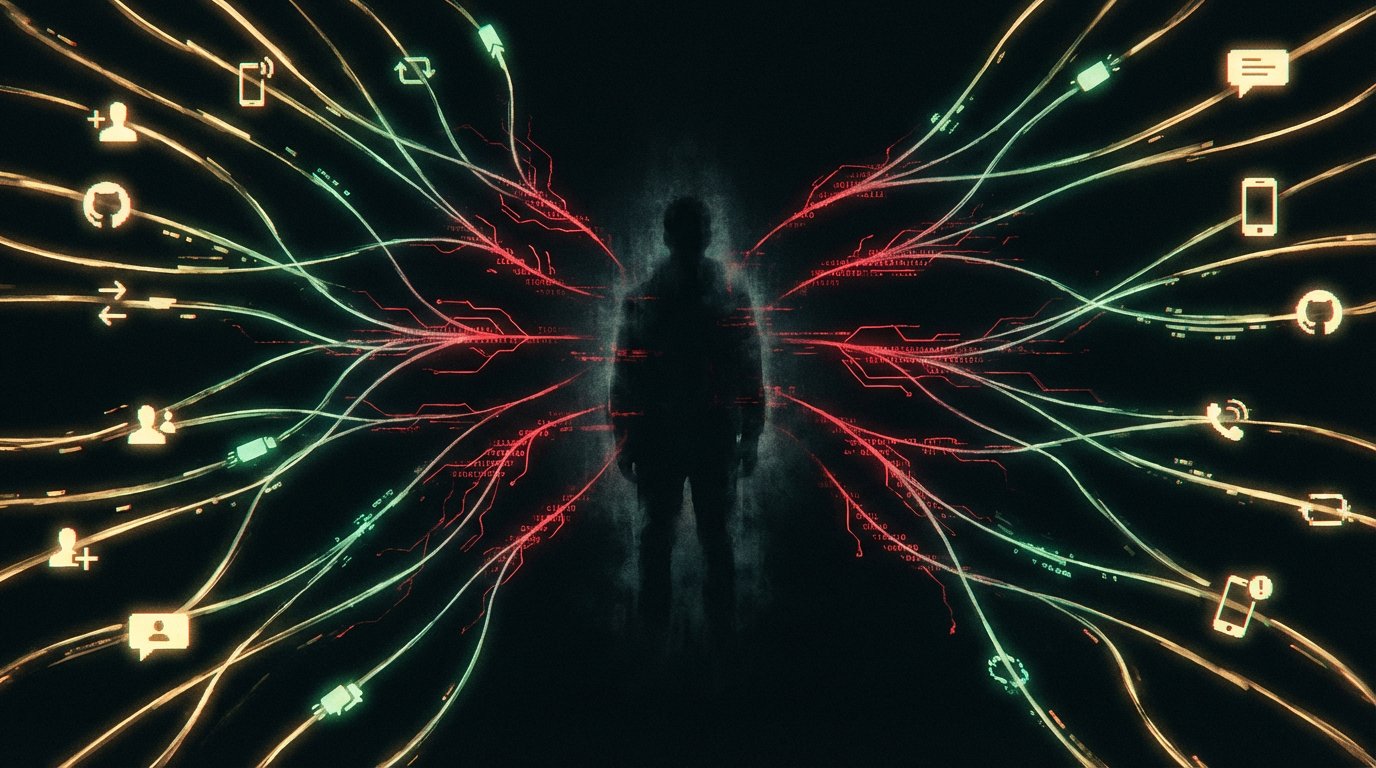
The Attack Isn't Coming From a Stranger. It's Coming From Your GitHub Notifications.
Four active campaigns documented today share one design principle: the attack arrives from something the target already trusts. APT37 builds friendships on Facebook first. Attackers abuse GitHub and Jira notifications to deliver phishing links that pass SPF, DKIM, and DMARC. A fake rocket alert app spies on people in a conflict zone. AI-generated articles seed Google Discover with scareware.
Read More
Two Breaches Today. One Was Careful. One Was a Unlocked Door. Both Were Catastrophic.
ShinyHunters dumped 78.6 million Rockstar records after the ransom deadline expired. They never touched Rockstar directly. They went through a cloud analytics vendor. Meanwhile, a French email provider left an Elasticsearch cluster open to the internet and exposed 40 million records across L'Oreal, Renault, and French government embassies.
Read More